
What is an LCSW? And What Does that Mean to You?
So… What Exactly Is a Licensed Clinical Social Worker?
Telling people I’m a Licensed Clinical Social Worker (LCSW) gets me all kinds of reactions. Some people smile politely and nod, pretending they know what that means. Others nervously joke that I might take away their kids if I’m having a bad day. Some of my own friends who’ve known me for years are completely surprised to find out I’m a therapist.
And honestly, I get it.
The world of therapy can be confusing. It’s full of acronyms that sound like alphabet soup, and even professionals sometimes have to pause to remember what all the letters stand for. But for most people, therapy itself feels mysterious.
What actually happens in a therapy session?
Who are these therapists, really?
And why do they all seem to speak in calm tones and love metaphors?
So let’s start with two simple questions:
“Who am you?”
And “what would you say… you do here?”
Hopefully, by the end of this post, you’ll not only know a bit about me and my approach to therapy. Also, I will soon spend time answering that question about what “you do here?” Giving you a clearer sense of what therapy can be, especially if you’ve never sat in that chair across from a therapist before.
Let’s get to work.
Who the Heck Am I?
Glad you asked.
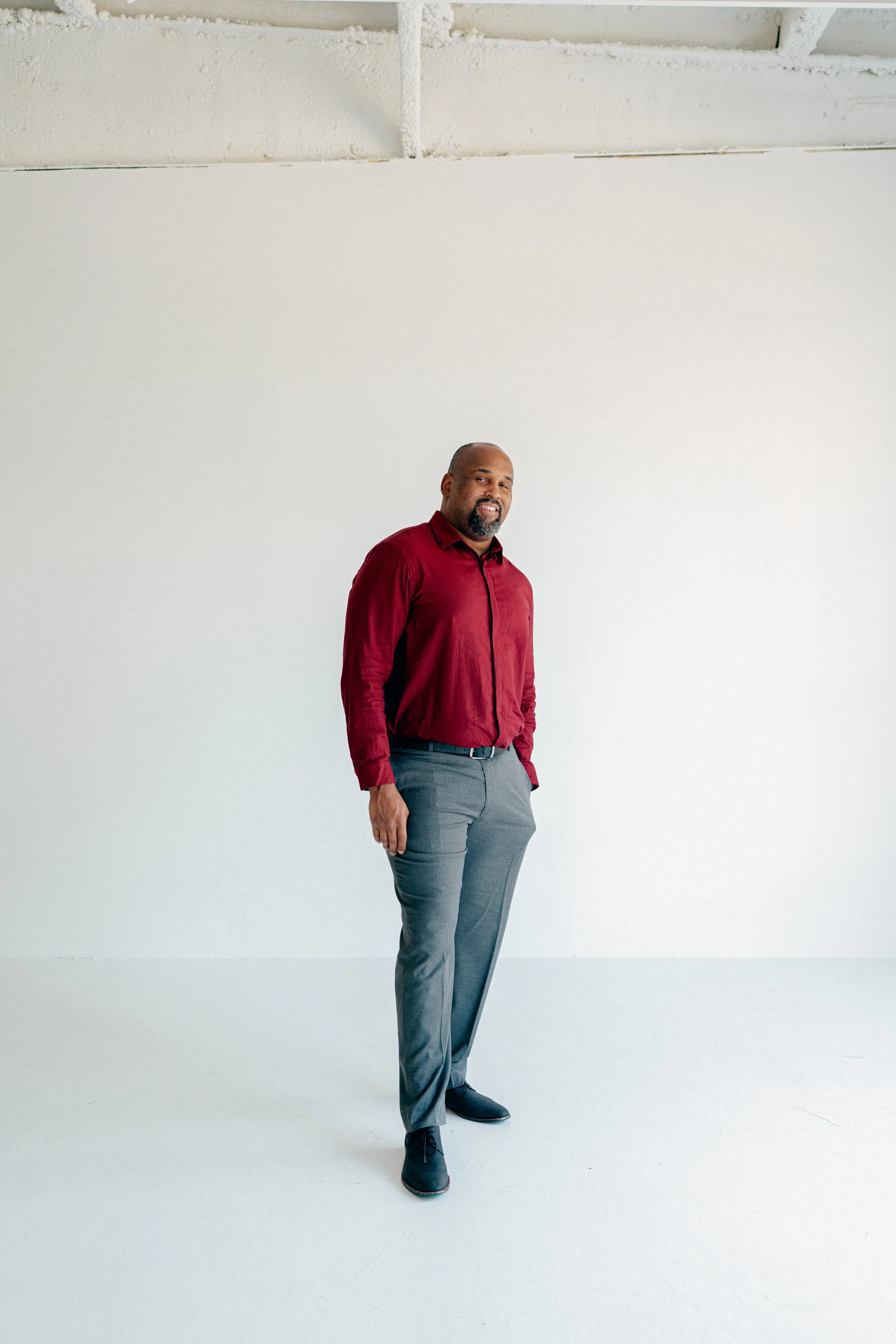
My name is Wes Clayton, LCSW, CDWF. I graduated from the University of Houston’s Graduate College of Social Work in 2010 and obtained my clinical license in 2013.
These days, I split my professional life between two homes:
The Rice University Counseling Center, where I’ve had the privilege of providing therapy to Rice students since 2016.
My private practice, where I work with outpatient clients navigating life transitions, anxiety, depression, relationships, and meaning-making.
I genuinely love my work at Rice. The students’ stories are diverse, complex, and full of resilience. My private practice, on the other hand, allows me to connect deeply with individuals beyond campus life, supporting them as they explore who they are, what they value, and how they want to live.
Both spaces matter to me, and both continue to shape how I understand people and healing.
The Calling
My curiosity about people’s stories has been with me for as long as I can remember.
Growing up, I moved frequently throughout Texas and the Midwest. Each move exposed me to different cultures, values, and ways of living. That early experience shaped a belief I still hold today: no single person’s story is the story, and no one truth captures the full human experience.
By high school, I knew I wanted to be a therapist, though I couldn’t have clearly explained what a therapist actually did. I just knew I wanted to support others through their suffering.
That desire led me to earn my bachelor’s degree in Psychology from the University of Nebraska–Lincoln in 2003. Shortly after, I began working at The Menninger Clinic in Houston, Texas.
I spent more than a decade there in the Obsessive-Compulsive Disorder (OCD) Program, an experience that fundamentally reshaped how I understand people, distress, and healing.
Experiential Lessons
If I had to distill the most important lessons from my clinical work, they would be these:
There isn’t one truth—there are many unique truths.
While I may be knowledgeable about therapy, I will never be an expert on you.
Those ideas continue to guide my work today.
Therapy isn’t about “fixing” people. It’s about creating a space where you can safely explore your experiences, your values, and your own sense of truth. It’s a collaborative process rooted in curiosity, respect, and connection.
Over the years, I’ve had the privilege of walking alongside individuals and families navigating the pain of mental illness. Each story has reinforced something essential for me:
Healing happens in connection, not in isolation.
Personal Life
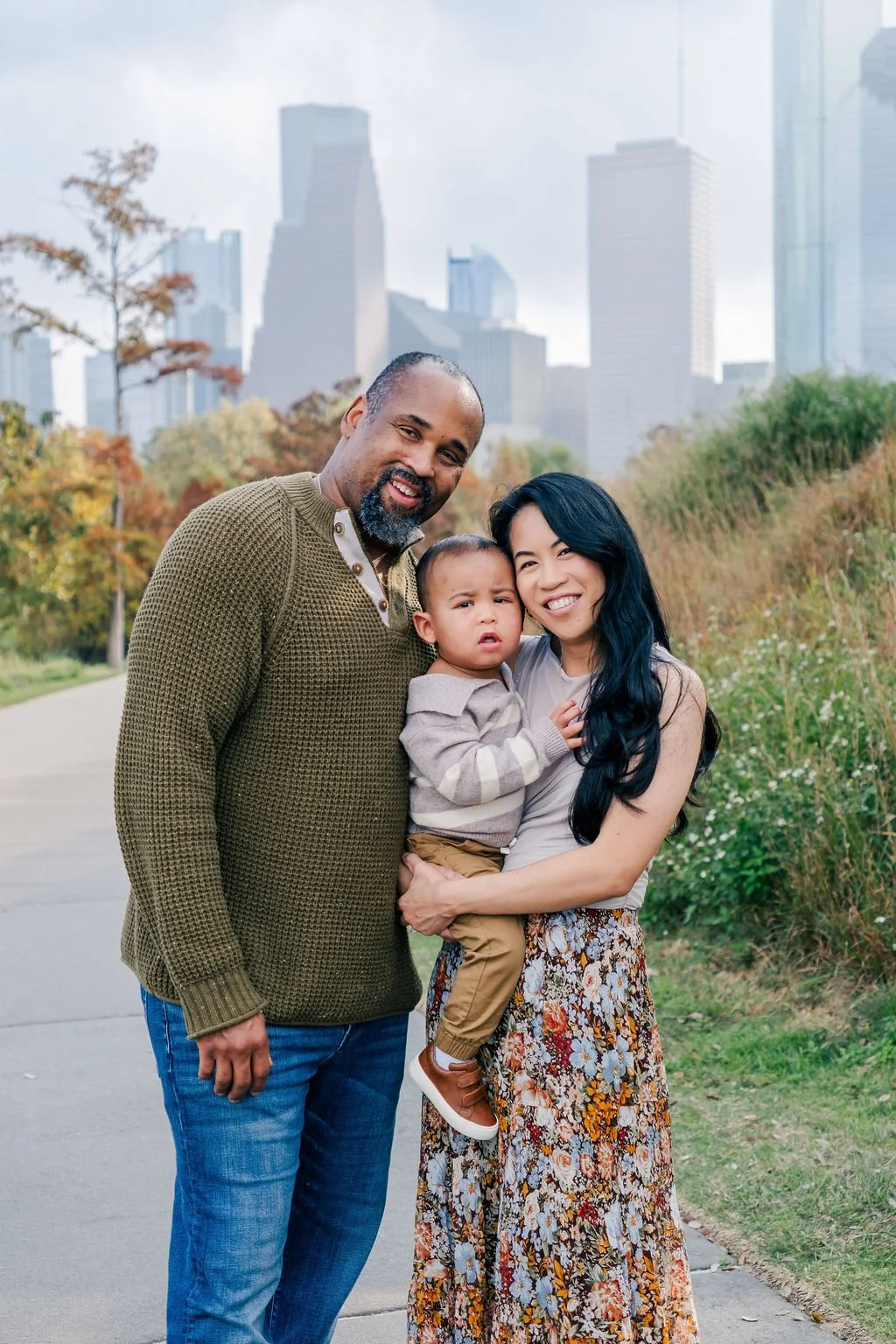
Personally, my wife and I have been married since 2013, and we have one son who is full of life and energy a lot of energy. My wife is the rock of my life. She has walked beside me through the highs and lows that have shaped who I am, both personally and professionally. She consistently challenges me to stay honest with myself, to follow my dreams, and to show up with intention even when that feels uncomfortable.
Becoming a husband and a parent has deepened my understanding of vulnerability, patience, and grace in ways no textbook or training ever could. It has also reinforced something I believe strongly in my work: we are all shaped in relationship, and healing most often happens there, too.
Coming Soon
Soon, I’ll take on that second question: “What would you say… you do here?”
We’ll explore what therapy actually is (and isn’t), what to expect in a first session, and why the relationship between therapist and client matters more than any technique or theory.
Let’s keep the conversation going.
— Wes Clayton
